Forestry
Climate change, biodiversity & forest products
Nearly one third of the planet’s land surface is covered with forests, and these need to fulfil many purposes: They provide society with goods such as timber, food and medicine. Forests play a crucial role in mitigating climate change and can protect biodiversity, soil and water quality as well as serve as places where people can enjoy nature. Wood has a lower environmental impact than many alternative materials and the increasing use of forest products can reduce the carbon footprint.
With the funding program in forestry, the foundation wants to contribute to this challenge by supporting solution-oriented research based on an interaction between science and practitioners.
The forestry program at a glance
Program goals:
The program aims to advance sustainable forest management that addresses the interconnected challenges of climate change, biodiversity loss, and growing societal demands on forest resources. Against this backdrop, the program aims to:
– Foster a change of perspective in how forests are managed, used and valued.
– Support solution-oriented collaboration between scientists and practitioners to accelerate the uptake of evidence-based approaches in forestry practice.
– Catalyse financial innovation and improved framework conditions that unlock investment in sustainable forest management, enabling forests that can conserve biodiversity, act as a carbon sink and supply forest products.
Thematic focus:
The current call addresses these goals through two interconnected priorities:
– Innovative solutions for climate change adaptation and biodiversity recovery that advance integrative sustainable forest management, while ensuring resilient ecosystems services and the supply of sustainable forest products.
– Incentives or tools that translate the often intangible values of forest products and ecosystem services into concrete drivers of behavioural change towards sustainable forest management.
Bridging research and practice is fundamental to the program’s theory of change. Two different project types are supported:
Research projects (generating new knowledge):
– Novel, outside-of-the-box research which demonstrates high potential to shift forestry practice
– At least two partners from different organisations (e.g. universities) needed, second partner can be a stakeholder organisation
– Project would not be possible without involving stakeholders from the outset of the project
– At least 10% of the budget to be spent on knowledge transfer
– On approaches of general interest that can be scaled
Science-practice projects (transfer of existing knowledge):
– At least two partners from different organisations needed, one partner needs to be a stakeholder organisation
– Project enables the transfer of evidence-based forest management findings to practitioners (without being an implementation project)
– Produces specific deliverables such as tools or resources
– Needs upfront commitment of collaborating partners
– Needs plans for continuity beyond the project period
Duration of program:
- 2022 – 2026
- One specific call for proposals per year.
Next deadline:
- 21 September 2026 at 23:59 CEST, with a final decision on proposals in March 2027
The call for proposals:
- The relevant details of the call for 2026 can be viewed here.
Selection procedure:
All applications go through a formal screening by the foundation management. The selection of the applications that will be presented to the board is performed by a scientific committee according to our funding criteria. The foundation board of Velux Stiftung will take the final funding decision. More information is available on our page about the selection procedure.
The priority is set on research addressing neglected issues whose results have a high potential to contribute to change. You can find examples of previously approved projects below or on this list.
If you are unsure about the fit of your topic to the scope of the call after reading the call for proposals, please send an abstract to info@veluxstiftung.ch and refer to the criteria of the respective project type and the thematic focus of the call.
Projects we do not fund
Research projects with a focus on implementation or community development are excluded from the call. Further, small case studies with limited generality and projects addressing urban forestry will not be considered.
Projects
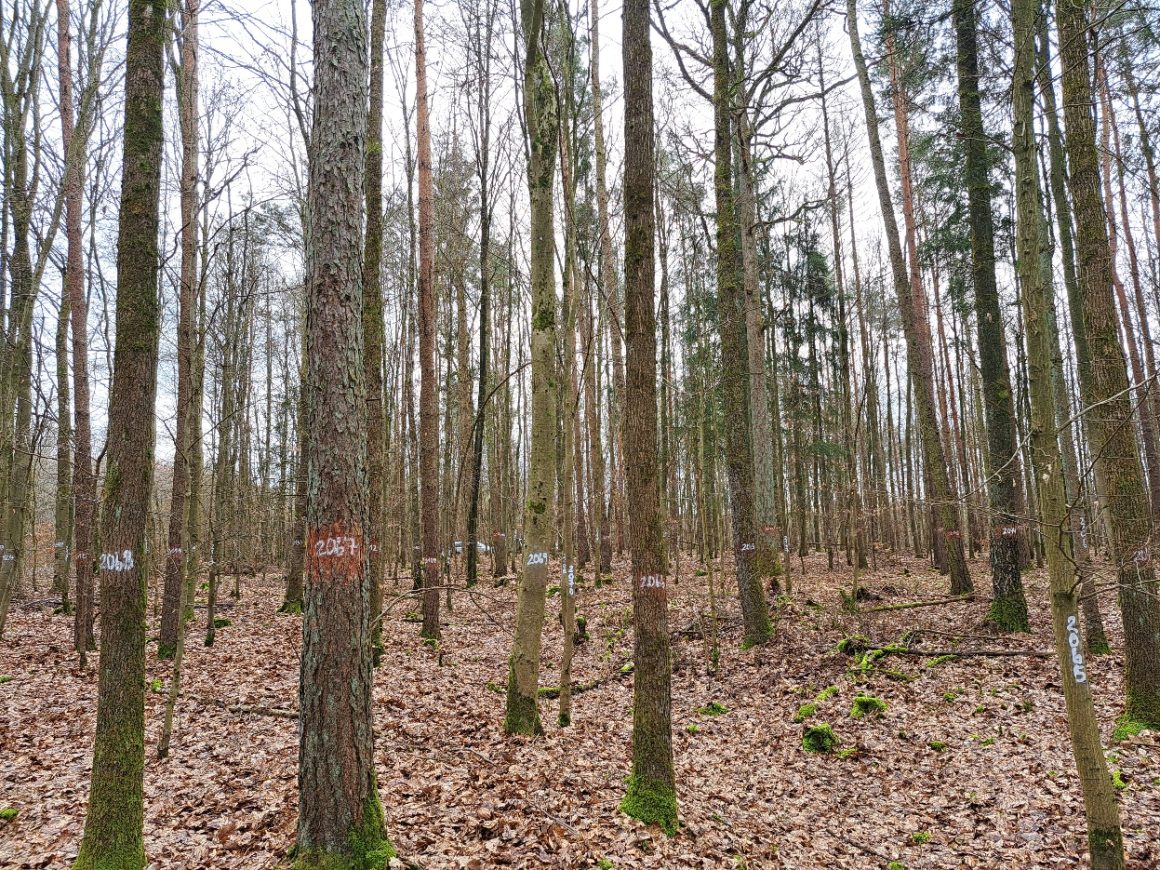
From the lab to the forest: Helping managers plan for an uncertain future

Foresight for forests

Leveraging the timber value chain to support forest restoration