This year, The Daylight Award draws attention to daylight as a force that shapes life at very different scales. Biologists Brittany Zepernick, Steven Wilhelm and Michael McKay are recognised for their research how aquatic microorganisms may adapt to changing light conditions underwater. Architects Momoyo Kaijima and Yoshiharu Tsukamoto are honoured for showing how daylight shapes shared spaces and daily life.

- jump to the paragraph on The Daylight Award for Research 2026
- jump to the paragraph on The Daylight Award for Architecture 2026
The Daylight Award for Research 2026: Invisible Life Shaping Ecosystems
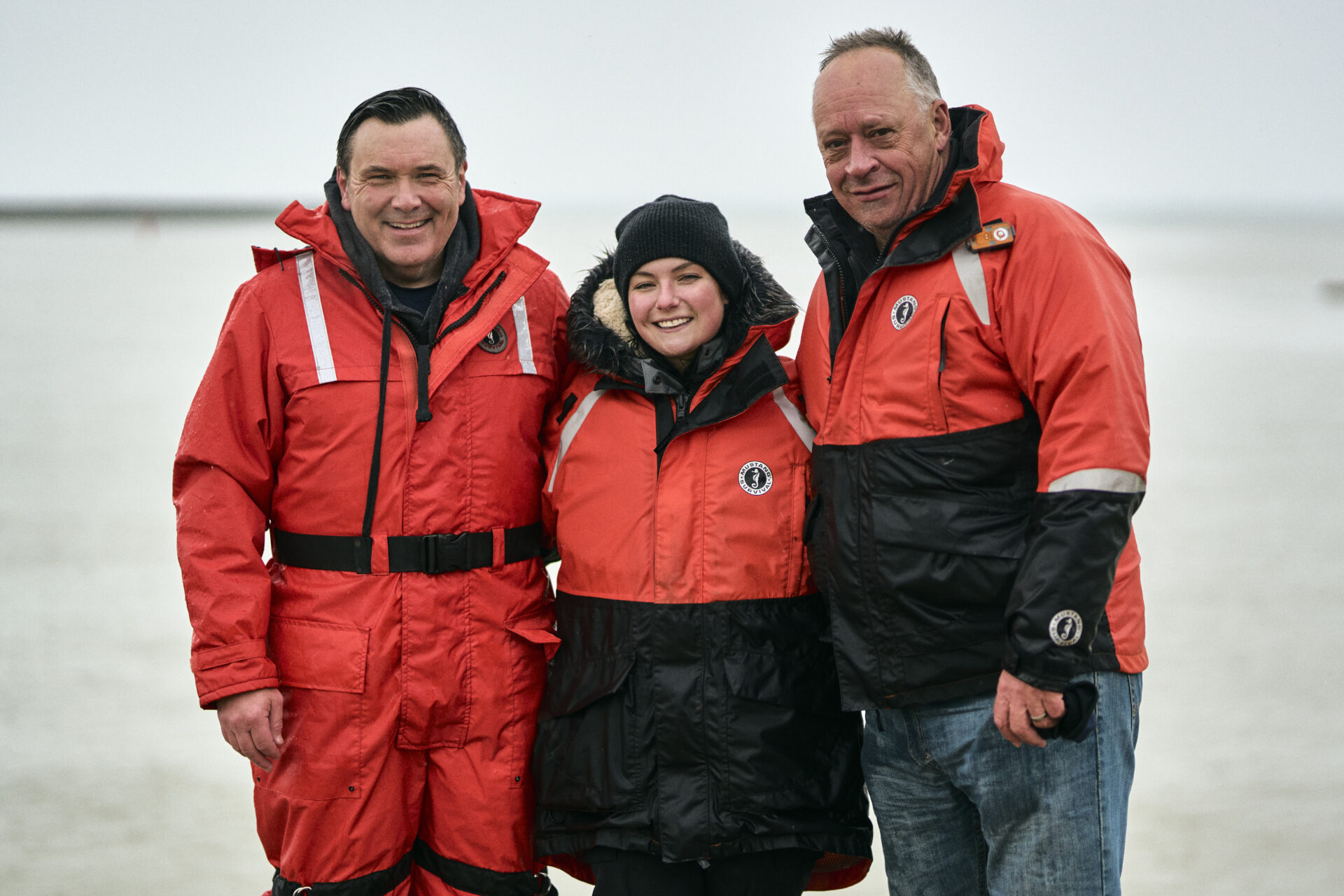
The Daylight Award for Research 2026 is awarded to Brittany Zepernick, Steven Wilhelm and Michael McKay for their key insights into the role of daylight in photosynthetic algae in a changing climate
Using daylight, photosynthetic algae sustain most life on Earth. Through photosynthesis, they use sunlight, water and carbon dioxide to create chemical energy and release oxygen. As a result, algae are fundamental to most ecosystems, generating vast amounts of atmospheric oxygen. In addition, algae such as diatoms act as primary producers sitting at the base of aquatic food chains. They feed marine and freshwater life like zooplankton and fish, while also controlling nutrient cycles, sequestering carbon dioxide, and influencing water quality. As a result, algae are vital for planetary health and biodiversity.
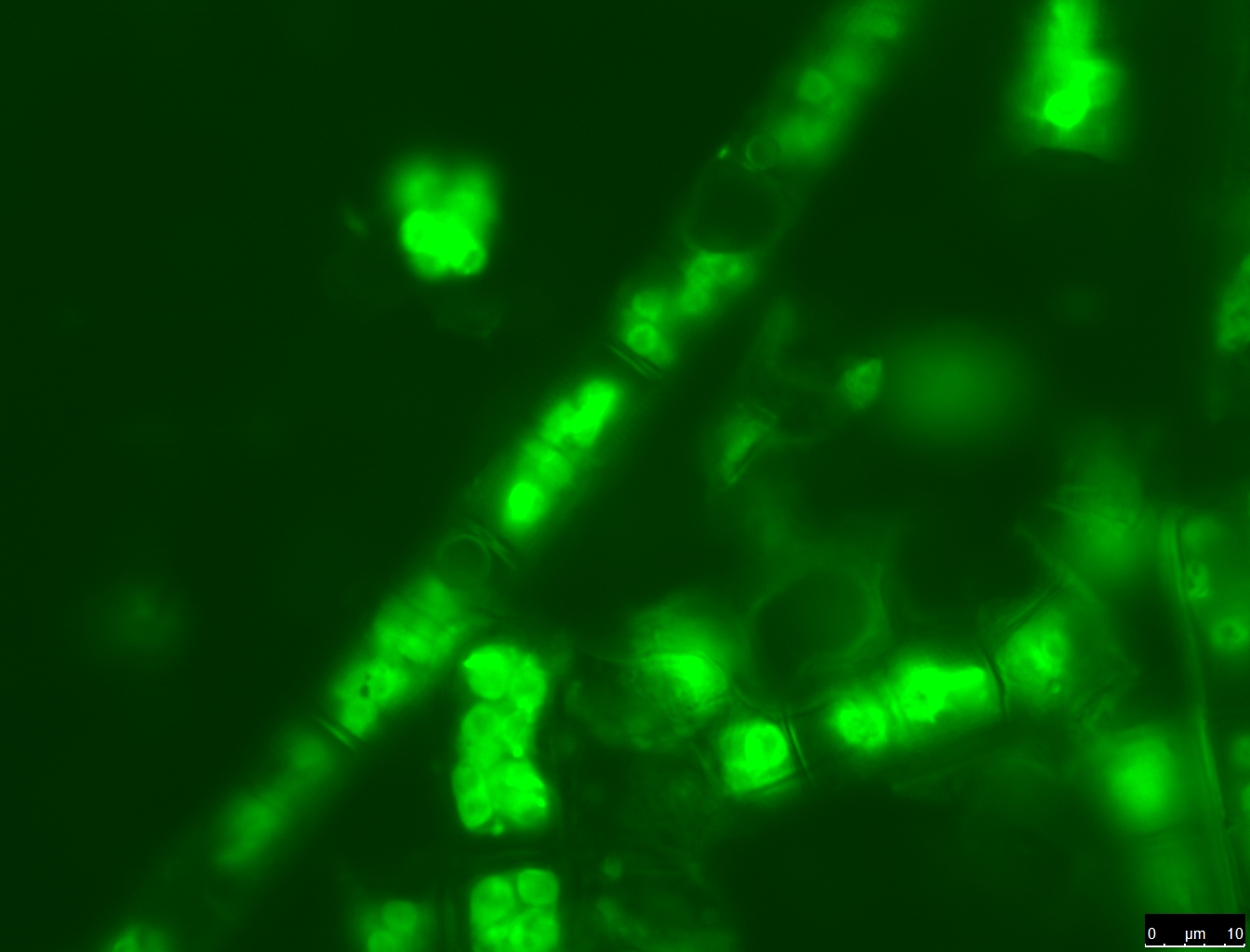
Zepernick, Wilhelm and McKay are utilising their complementary skills to address the critical question of how different communities of light-harvesting algae are being affected by climate change. The team has used cutting-edge methods to understand how the loss of ice cover in the Great Lakes changes the capacity of diatom populations to undertake photosynthesis.
Normally, diatoms stick to the underside of ice, fixing their location within the light environment to optimize photosynthesis. In the absence of ice, water currents move the diatoms away from the surface and make the water more turbid. In response to this loss of daylight, diatoms have increased their expression of various photosynthetic genes and iron transporters, suggesting that the diatoms are attempting to increase their capacity for photosynthesis. While this highlights ecosystem resiliency in the face of human-made change, it may also hold unexpected implications for food webs reliant on winter productivity.

With large-scale climatic changes already underway, the observations by these researchers provide novel mechanistic insights into how diatoms powered by daylight respond to ice loss and thus help to elucidate how they will fare in a climatically altered tomorrow, with major implications for planetary health and biodiversity.
The Daylight Award for Architecture 2026: Shaping How We Live
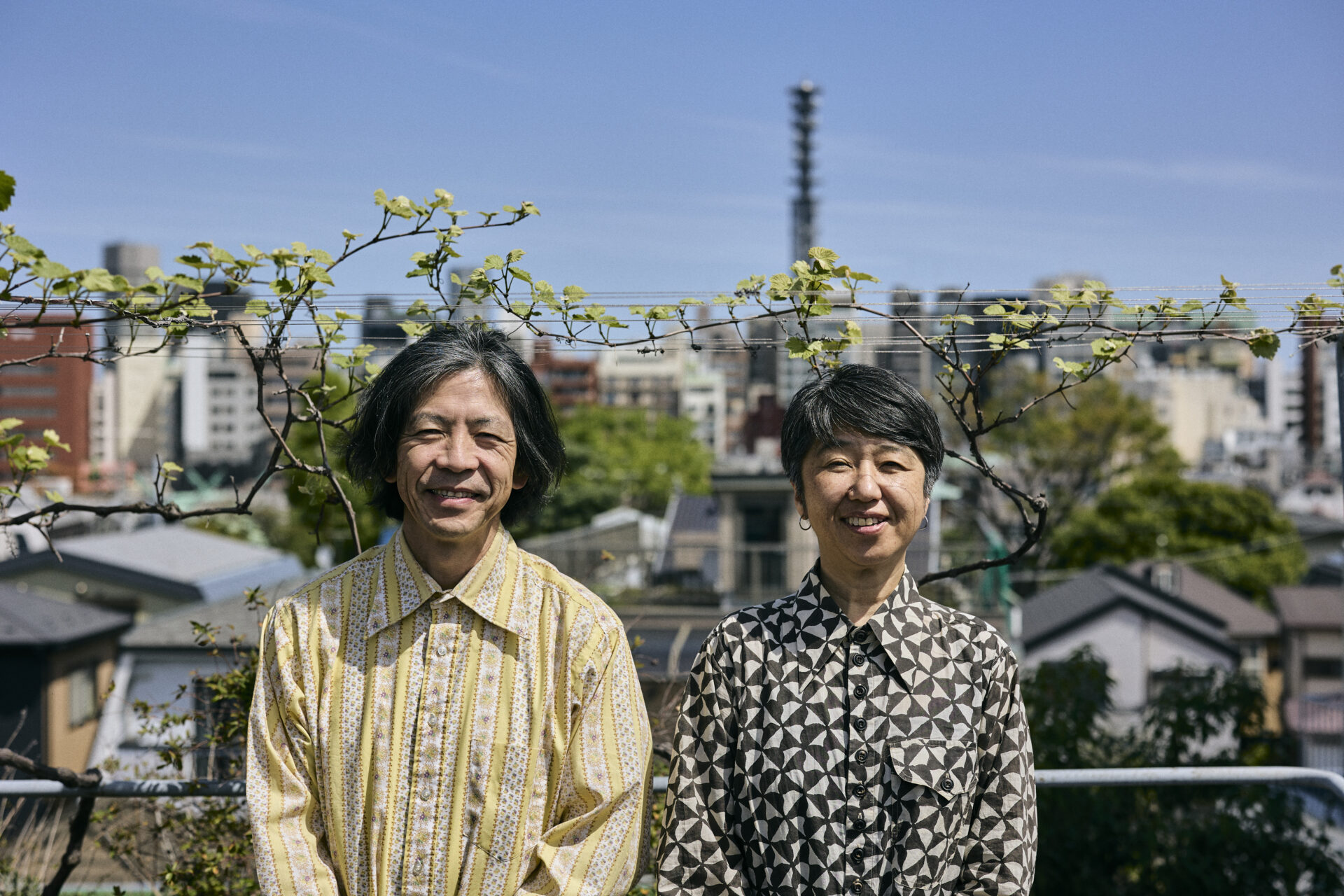
The Daylight Award for Architecture 2026 is awarded to Momoyo Kaijima and Yoshiharu Tsukamoto, founders of the architectural firm Atelier Bow-Wow.
The architect duo describes key themes in their work under the term Architectural Behaviourology. These include daylight and windows, the interplay of architecture and natural forces, and the interaction between buildings and people. In the work of Kaijima and Tsukamoto, natural light is not only an aesthetic feature. It is a research variable, a cultural signal and a social catalyst. Their architecture is not unlimited glass nor spectacular openness. It is the careful discovery of daylight under constraint. In dense cities, they show that good daylight may arrive indirectly, through reflection, borrowed sky, filtered eaves, narrow gaps, seasonal courtyards and windows that respond to their surroundings.
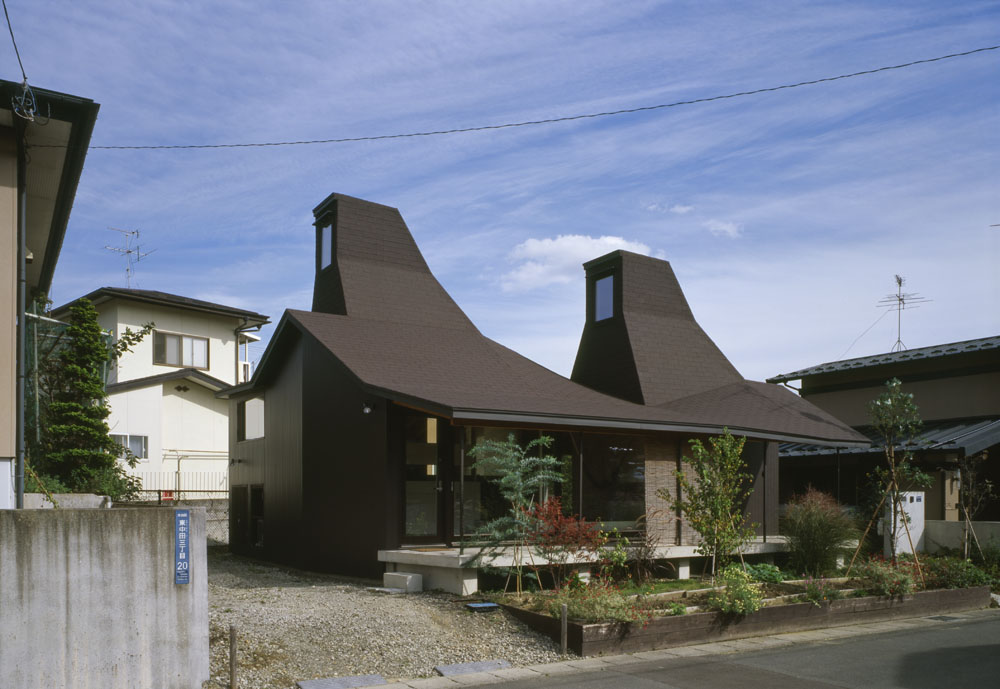
The work of Kaijima and Tsukamoto is not defined by imposing scale, elaborate detailing or an unmistakable design language. Rather, it is defined by empathy for the vernacular, attention to particular locations and specific tasks, commitment to existing structures, and inventive and skilful use of architectural means. The essential factor is the use of buildings, their vital relationship with daylight and weather, and their connection with inhabitants.
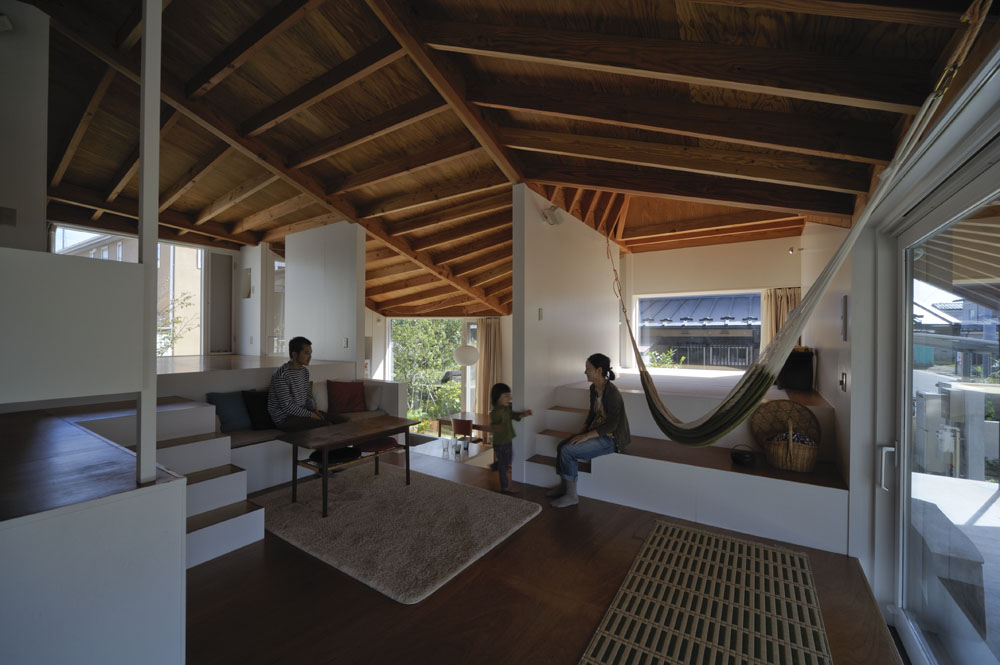
The projects of Kaijima and Tsukamoto, carried out with Atelier Bow-Wow since 1992, include medium sized and smaller buildings for everyday use, among them residential buildings, offices, kindergartens, gallery spaces, research buildings, workshops and ad hoc architecture. Their innovative, thoughtful and highly varied work is often articulated through an inventive integration of daylight as a defining architectural element.
About The Daylight Award
The Daylight Award honours and supports research in the scientific understanding of daylight and its significance for health, wellbeing and a balanced ecosystem, as well as its experiential and mental value in architectural design. The intention is to underline the collaboration of disciplines that are usually considered as separate professional realms of expertise. The Daylight Award strives to raise an integrated understanding of daylight in human life and the wider ecosystem, and to strengthen its positive impact.
As of 2025, it is presented by the Daylight Academy (DLA), an international network initiated by Velux Stiftung that brings together scientists, architects, engineers, and other daylight professionals to promote collaboration and knowledge sharing.
