As populations age and cities grow, understanding how urban environments support healthy ageing is more urgent than ever. Climate change adds a further layer of complexity because older adults are especially susceptible to extreme heat, air pollution and other environmental stressors. Yet knowledge on the combined effects of features of the home, neighbourhood and regional environments on healthy ageing remains limited, leaving a critical gap for policy and practice.

How urban environments shape healthy ageing in a changing climate
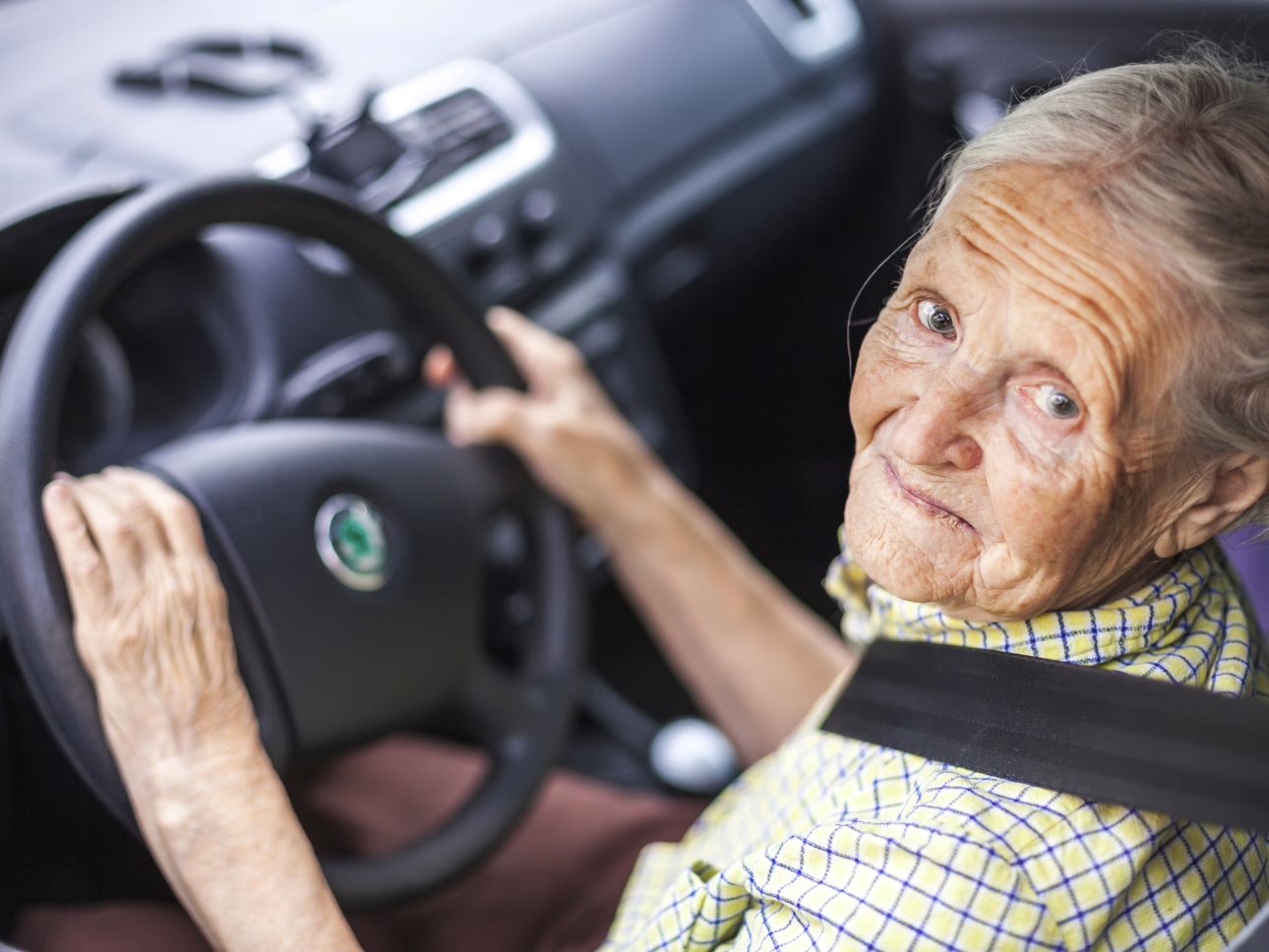
Ageing, urbanisation and climate change are three of the defining global challenges of our time. As we age, the body’s ability to regulate temperature tends to decline, making older adults particularly susceptible to extreme heat. Chronic conditions and common medications can further impair heat tolerance or exacerbate the effects of air pollution – risks that are growing as cities warm.
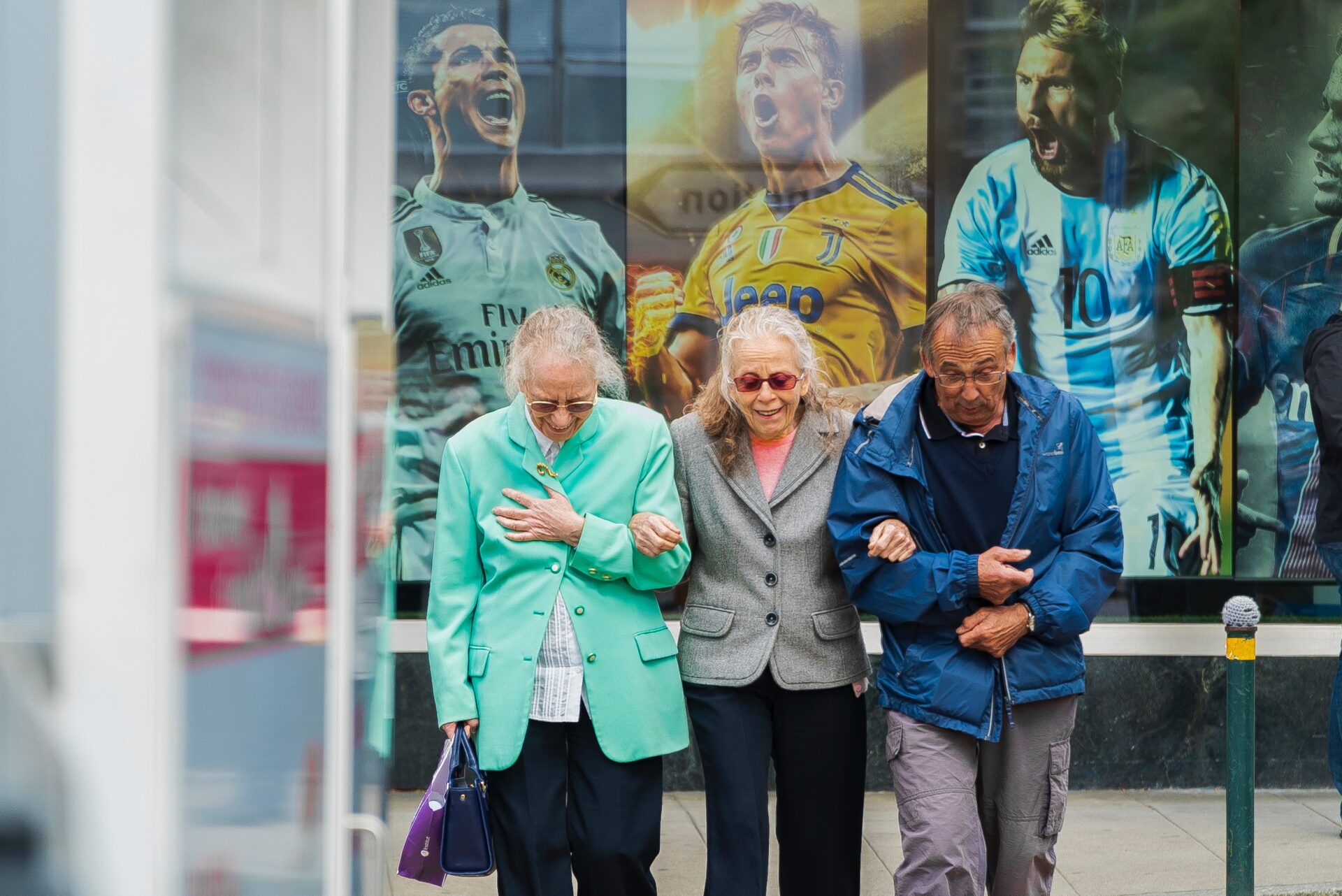
Today, half the world’s population lives in urban areas. Older urban dwellers move across three overlapping settings in their daily lives: home, neighbourhood and the wider region. Each setting can either support or hinder engagement in daily activities, and each exposes individuals to both beneficial factors, such as green space and social contact, and harmful ones, such as noise, heat and air pollution. Although these three settings are causally interrelated and shape health outcomes together, research has so far examined them largely in isolation.
Identifying urban environment features that best support healthy ageing in place
The project team takes an interdisciplinary approach, integrating environmental epidemiology, urban planning and public health to examine how characteristics of the home, neighbourhood and regional environment interact and jointly affect healthy ageing. Crucially, it draws on an ongoing three-country cohort study launched in 2019, enabling cross-national comparisons that account for the role of broader geographical, cultural and socioeconomic contexts, as well as individual factors such as health status and access to social networks.
Findings will give city planners and policymakers empirical evidence to prioritise interventions in the urban environment. They will also help identify older population groups with heightened vulnerability, informing preventive public health strategies to build resilience. Open-access protocols for generating environmental indicators will be developed and shared through established platforms, enabling implementation and replication worldwide.