Since its launch in 2016, the Daylight Academy (DLA) has grown into an international platform dedicated to exploring the role of daylight. It brings together scientists, architects, engineers, artists, and other professionals who are interested in daylight as a vital resource for people, technology, and the environment. After nearly ten years of growth, the DLA is now entering a new phase - one that focuses more strongly on real-world impact, and societal relevance.

Discover
Leveraging disciplinary diversity for innovation in daylight research
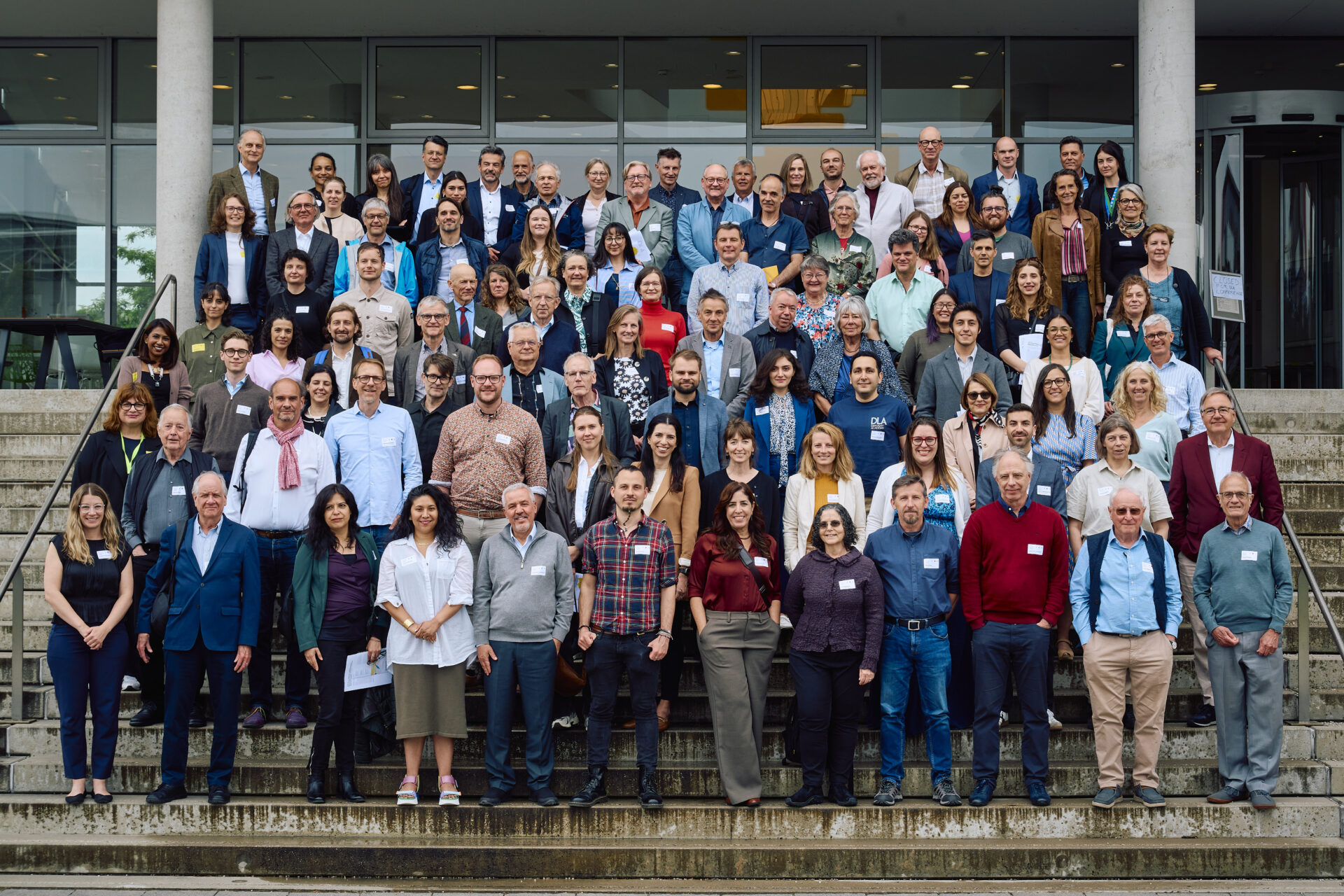
The Daylight Academy (DLA) is an international membership organisation bringing together scientists from all backgrounds, architects, engineers, and other professionals involved in daylight research or with a strong interest in daylight related topics. The aim is to strengthen daylight research and its applications for the benefit of humanity and nature.
By organising networking events, supporting collaborative activities, and providing a platform for connection and exchange between the different disciplines and fields working on daylight, the Academy wants to initiate cooperation, innovation, and new knowledge. Such interdisciplinary exchange has the potential to be a catalyst for creativity, novelty, and development.
Some examples of interdisciplinary collaborative activities:
“New developments start at the interface of disciplines. Personal interactions across disciplines have become rare, yet they can be a great source of inspiration and are a lot of fun.”
Change
From knowledge to action – engaging in four societal topics
Many new ideas, collaborations and creative projects have emerged from these activities. Together they have helped establish daylight research as an intrinsically interdisciplinary field. Building on this foundation, the Daylight Academy will now shift its focus from primarily connecting people and exploring ideas, toward actively contributing to positive change. A key goal of this new phase is to turn knowledge into action: linking research with practice, supporting practical applications, and engaging more directly with decision makers, opinion leaders as well as the wider public.
To guide this effort, the DLA has identified key areas where daylight research can make a tangible difference. These include
- the role of daylight in future solar societies
- the relationship between daylight and global health
- the challenges of bringing daylight into dense urban environments
- the right to access daylight
Transfer
Committed to outreach
The Daylight Academy and its members are committed to transferring daylight knowledge to various audiences. Outreach activities include
- the Daylight Awareness Week which started as a series of webinars and online panel discussions. In the past years, these online activities were combined with in person events at the Berlin Science Week.
- the documentary film “The Daylight (R)evolution” which premiered at the 6th Global Science Film Festival in Basel and was screened at other film festivals in the meantime.
- the massive open online course (MOOC) to foster the understanding of the basic biology, health effects, and ecological ramifications of both daylight and light from artificial sources
- the deLIGHTed talks organized in collaboration with the Good Light Group, Luger Research, the International Association of Lighting Designers (IALD), and the Society for Light, Rhythms and Circadian Health (SLRCH).
Since 2025, the Daylight Academy also presents The Daylight Award, a prize honouring research and architecture focused on daylight’s role in human health, wellbeing and the environment. The prize is endowed by three foundations, Villum Fonden, VELUX FONDEN and Velux Stiftung.
Coordination office

Program manager

Project manager
Project manager
Impact
Towards a sustainable future
With this next phase, the Daylight Academy aims to reinforce its role as a catalyst for the generation of interdisciplinary ideas and actions to bring the benefits of daylight into practice. The ambition is clear: to raise awareness of the importance of daylight for human health and the planet’s broader natural system, ensure that knowledge about daylight does not remain limited to experts, but helps inform everyday decisions, shape healthier environments, and improve quality of life worldwide.
Why we funded this project
“We had a very strong belief that if we were able to create a space for knowledge sharing, a room where people with strong track records in their field could meet with like-minded people from other fields, new ideas, new ways of being curious around daylight would arise.”
Lykke Kann Ogstrup Lunde,
Chair of the Foundation Board